Growing Brassicas: Cabbage, Broccoli, Kale and More
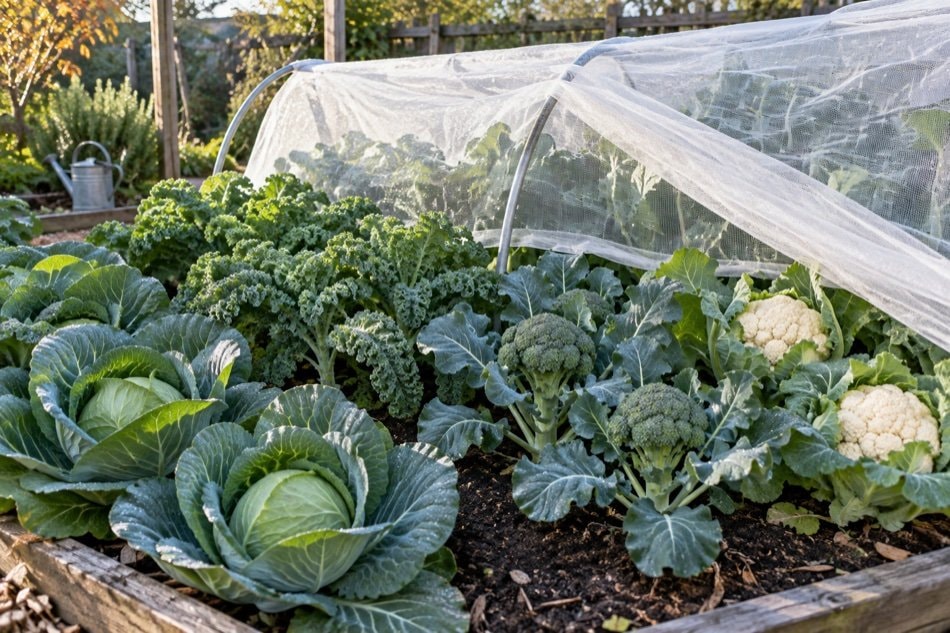
Brassicas range from radishes to long-season cabbage, yet they share many preferences and pests. Cool-season timing, steady growth and early protection make this diverse family easier to manage.
Know the Family
Broccoli, cabbage, cauliflower, kale, collards, Brussels sprouts, radish, turnip and several Asian greens belong to the same broad crop family. Their edible parts differ, but many insects and diseases recognize them as relatives. Group them together in rotation records even when their shapes seem unrelated.
Choose varieties by days to maturity and local temperature patterns. Quick greens may fit spring or autumn gaps, while heading crops need a longer, steady window. Heat-tolerant or cold-tolerant descriptions are relative, so local experience still matters.
Prepare Firm, Even Ground
Use a soil test to guide amendments. Brassicas generally perform best with steady fertility and consistent moisture, but excess late growth can make plants soft and delay maturity. Prepare a broad root zone and avoid planting into fresh pockets of concentrated amendment.
Transplants should be compact and sturdy rather than stretched. Harden them gradually to outdoor wind, sun and temperature. Plant at the proper depth, firm soil around roots and water immediately to close air gaps.
Protect Young Plants Early
Fine insect netting or row cover can exclude several flying pests when installed before they arrive. Seal edges, support fabric above the leaves and inspect for holes. If pests or eggs are trapped underneath, the cover protects the problem rather than the crop.
Check leaf undersides for caterpillars and eggs, and inspect stems near soil level after wilting. Identify the pest before choosing a response. The targeted sequence in organic pest control avoids unnecessary disruption to beneficial insects.
Maintain Uninterrupted Growth
Water the root zone deeply and mulch after the soil has settled and warmed appropriately. Long dry periods followed by heavy water can stress heading crops. Weeds compete strongly while brassicas are small, so cultivate shallowly before the canopy closes.
Support tall Brussels sprouts or tree kale in windy sites. Remove yellow lower leaves that rest on the soil, but keep healthy foliage because it powers the developing harvest.
Recognize Harvest Windows
Cut broccoli heads while buds are tight, then keep plants for smaller side shoots. Harvest outer kale and collard leaves from the bottom upward. Cabbage heads should feel firm for their type; waiting too long in wet conditions can encourage splitting.
Cauliflower often needs especially even conditions to make a clean head. Radishes and turnips should be sampled before roots become oversized or woody. Regular harvest rounds prevent a fast crop from passing its best stage unnoticed.
Rotate and Clean Up
Remove badly diseased roots and residue, and do not leave forgotten radishes or volunteer kale when trying to break a family cycle. Move brassicas to a different bed in the next crop rotation. Covers in the same family count in that history too.
Record sowing dates and peak pest periods. A shift of only a few weeks can move a crop away from intense heat or insect pressure. Pair those notes with succession planting so quick greens and longer heading crops share space without crowding one another.
A Small, Useful Trial
Cover half of a clean young planting immediately with well-sealed insect netting and inspect both covered and uncovered plants at the same interval. Record pest eggs, leaf damage, heat buildup and time spent removing pests. Confirm that the barrier itself does not rub foliage or trap pests before using it across every cabbage-family bed.
Choose five plants across the row and inspect the same leaves twice each week, including undersides and the growing point. Record holes, eggs, droppings, wilting and the number of plants affected before taking action. Check row-cover edges and remove the cover when access or crop development requires it. At harvest, compare the notes with planting date and weather. That record can reveal whether protection failed at an edge, began too late or simply targeted the wrong cause.
Cover Before Pests Arrive
Physical barriers work best over a clean bed, installed immediately after sowing or transplanting and sealed at every edge.
Harvest timing differs by crop, so check the part you intend to eat rather than judging the whole row at once. Cut heading crops while they are firm and before quality declines; pick leafy crops from plants that are still actively growing. Remove damaged outer leaves at the preparation area, not throughout the bed, so cleanup is contained and the remaining plants are easy to inspect.