Practical Gardening Guides for a More Resilient Garden
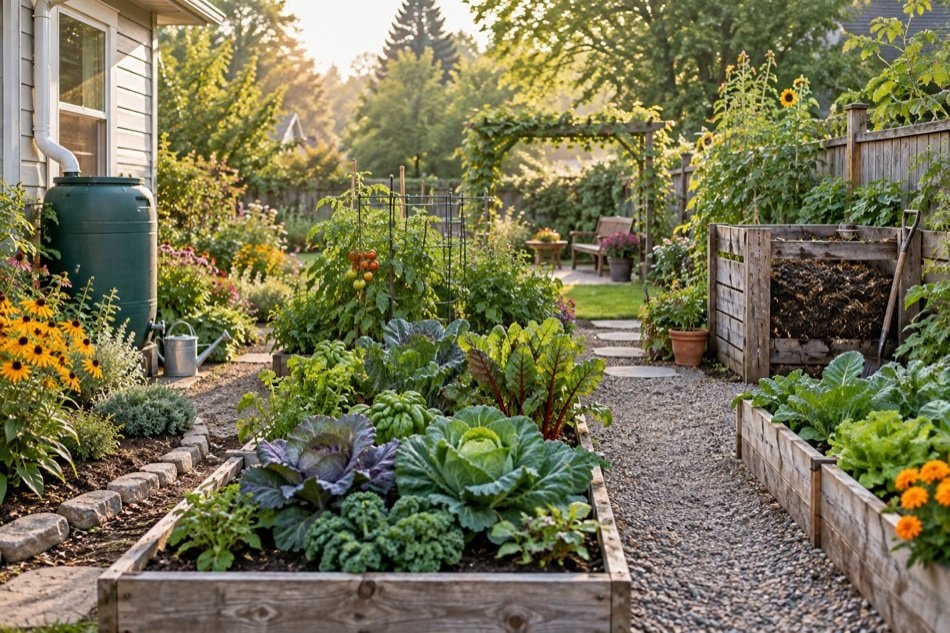
A productive garden is built from connected decisions: what the soil can support, where water moves, how crops follow one another and how daily observations shape the next job. Use this guide library to solve a specific problem or plan a stronger growing system.
Begin Below the Surface
Good gardening starts with conditions rather than a shopping list. A soil test can reveal pH and nutrient patterns that are invisible from the surface, while a simple drainage check shows whether roots will sit in waterlogged ground after rain. Before adding amendments, map sunny and shaded areas, note slopes and downspouts, and watch where puddles linger. That short survey gives every later choice a sounder foundation.
For beds that are already in production, protecting structure matters as much as feeding plants. Explore no-dig gardening, seasonal cover crops and a practical crop rotation. These methods address different jobs: minimizing disturbance, keeping living roots in soil and preventing one plant family from occupying the same space year after year.
Make Water Easier to Manage
Water problems rarely have one universal solution. If beds dry quickly, start with the layout and scheduling ideas in the drip irrigation guide. Where rainfall rushes away, the rainwater harvesting guide explains how to slow, store and direct it. If water stays too long, use the diagnostic sequence in garden drainage before raising beds or installing a drain.
Whatever system you choose, water the root zone rather than the leaves, check moisture beneath the surface and group plants with similar needs. Mulch can reduce evaporation, but it should not hide constantly saturated soil. Revisit the broader garden watering guide for timing and seasonal adjustments.
Build a More Balanced Garden
A garden is habitat as well as growing space. The beneficial insects guide focuses on shelter, flowers and observation, while wildlife-friendly gardening expands the plan to water, nesting places and safer boundaries. Neither approach requires a wild-looking yard. Even a tidy border can provide staggered bloom and undisturbed pockets.
Weeds also belong in the ecological picture. The weed management guide helps you identify why weeds are thriving, interrupt seed production and choose the least disruptive control for paths, beds and lawns. The goal is steady prevention, not a single dramatic cleanup.
Expand the Kitchen Garden
Several dependable crops deserve their own plans. Learn the timing and curing sequence for garlic and onions, the hilling and earthing-up options for potatoes, and the spacing and pest checks that help brassicas. For warm-season beds, sweet corn benefits from block planting, while asparagus rewards careful site preparation and patience.
Use these crop guides alongside succession planting and a rotation map. A crop is easier to care for when its place in the whole season is clear: what was there before, what will follow and when the bed needs a pause.
Keep Learning Through the Seasons
Gardening continues indoors and through winter. Winter sowing uses protected outdoor containers for suitable seeds, while houseplant care covers light, watering and potting decisions inside. A garden journal connects every strand by recording dates, weather, harvests and failures in a form you will actually revisit.
Choose one guide that answers today's question, then make one observable change. Measure the result before adding another variable. That rhythm—observe, adjust and record—turns a collection of tips into knowledge that fits your particular soil, climate and schedule.
A Small, Useful Trial
Choose one current constraint—poor drainage, difficult access, missing records or an unreliable crop—and follow the most relevant guide for a single bed. Define success in plain terms, such as no standing water the morning after rain or a harvest route that needs no heavy carrying. Resist changing irrigation, soil and planting layout simultaneously. A narrow test creates a result you can interpret and a method you can repeat elsewhere.
Match the trial to the guide before you begin. For drainage, mark the waterline and check it after a comparable rain; for irrigation, inspect moisture at several points along the line; for access, count reaches, lifts and trips through the route. Put the review date on the garden calendar and decide what evidence will mean keep, revise or stop. A useful experiment should answer one question without creating a harder maintenance job elsewhere.
Plan the Work Around You
Garden design also includes the gardener. Visit Gardening and Your Body for practical ways to reduce reaching, carrying, kneeling and repetitive effort.