Wildlife-Friendly Gardening in Everyday Spaces
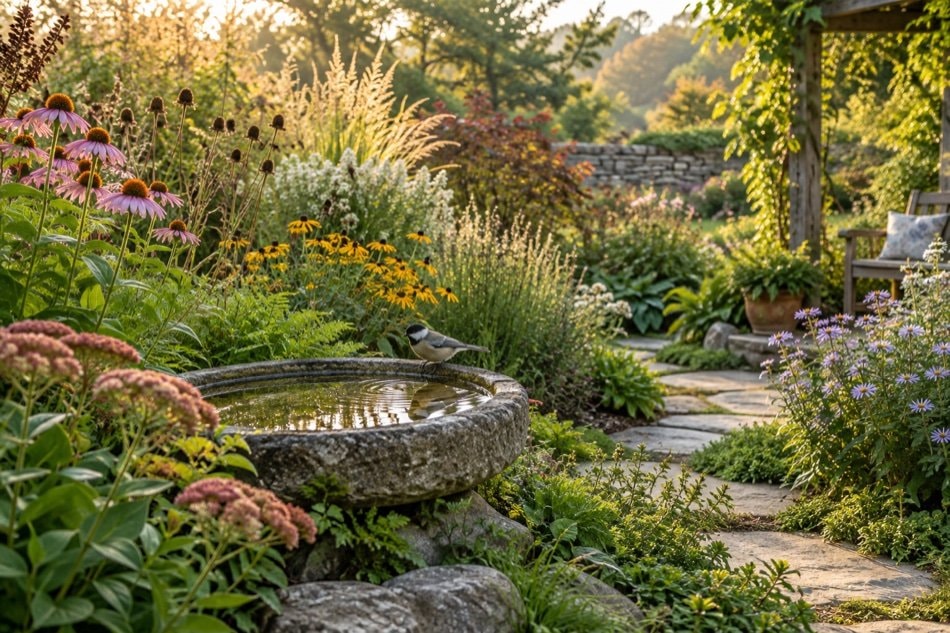
A wildlife-friendly garden provides food, water, shelter and places to complete a life cycle. Even a small yard or balcony can contribute when those resources are dependable and thoughtfully maintained.
Start With the Wildlife Already Present
Spend several weeks observing before changing the space. Note visiting birds, insects, amphibians and small mammals, along with the time and plant they use. Look for nests and overwintering sites before pruning or clearing. The goal is to strengthen an existing web, not import a decorative idea of nature.
Use locally native plants where they fit the site. Plants adapted to regional relationships can provide familiar flowers, fruit and foliage. Choose from reputable local lists and match each species to available light, moisture and mature space.
Build Layers and a Long Season
Combine ground-level plants, flowering perennials, grasses, shrubs and trees where space permits. Different heights provide different feeding and shelter opportunities. Stagger bloom from early spring through autumn, and allow some seed heads and hollow stems to remain through winter.
Diversity is more useful than a large block of one ornamental plant. Repeat key species enough for foragers to find them, then weave in plants with different flower forms and bloom times. The pollinator garden guide offers a more focused planting plan.
Provide Water Without Creating a Hazard
A shallow basin with textured stones gives insects and small birds secure landing places. Keep it clean, refill it regularly and change standing water often enough to prevent mosquito development. Position it where animals can see their surroundings and escape from predators.
Ponds add habitat but require thoughtful depth transitions, escape routes, child safety and local guidance. Avoid steep, slippery sides that trap animals. Planting around part of the edge provides cover while leaving a viewing and maintenance area open.
Leave Useful Shelter
A small brush pile, fallen leaves beneath shrubs and standing stems can shelter wildlife through cold weather. Keep woody debris away from structures and fire-sensitive boundaries. A dead tree can be valuable habitat, but only when a qualified assessment confirms it does not threaten people or property.
Dense shrubs give birds cover near feeding areas. Place feeders, if used, where they can be cleaned and monitored. Natural food from flowers, seeds and fruit reduces dependence on a single feeding point.
Change Maintenance Habits
Before trimming a hedge, inspect it for active nests. Mow paths through selected longer areas rather than mowing every surface to the same height. Reduce nighttime lighting where it is safe to do so, aim necessary fixtures downward and close curtains near bright indoor lights.
Use the targeted approach in beneficial insect gardening and organic pest control. Identify damage and the organism before acting. Broad, routine applications can remove insects that birds and other garden residents rely upon.
Keep the Garden Livable
Wildlife value and human access can coexist. Maintain clear paths, sight lines at gates and a defined seating area. Use edging or repeated plant groups to make a looser planting look intentional. Tell neighbors what the space is doing if a change in maintenance might otherwise look neglected.
Record visitors in a garden journal and photograph the plants they use. Over time, those observations reveal which features support actual activity. Add resources gradually, keep water clean and let the garden teach you where the next improvement belongs.
A Small, Useful Trial
Select one square yard that can remain less disturbed. Add two locally appropriate plants with different bloom periods, retain safe stems and provide a shallow, regularly cleaned water source nearby. Observe for ten quiet minutes at the same time each week. Record actual visitors before expanding the habitat feature to other parts of the garden.
Keep the observation patch safe and repeatable: refresh shallow water, avoid netting or loose materials that can entangle animals and leave a clear human path around it. Record visits by behavior—feeding, drinking, sheltering or nesting—rather than guessing species when identification is uncertain. Compare different times of day and bloom stages. Expand only the elements that are actually used, and remove standing water or damaged shelter features that cannot be maintained cleanly.
Observe Before Tidying
A stem, leaf layer or seed head may be occupied. Check first, then move only what creates a genuine access or safety problem.