Weed Management: A Season-Long Garden Plan
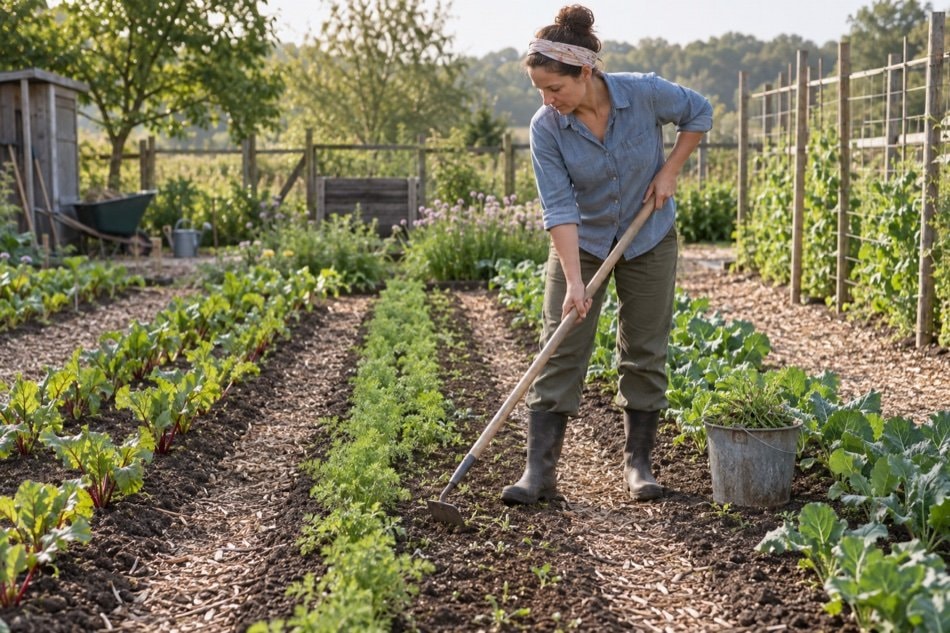
Weed management becomes easier when it is divided into prevention, early action and persistence. The goal is not bare soil everywhere; it is to keep unwanted plants from taking the light, water and space intended for the garden.
Identify the Growth Habit
Annual weeds rely mainly on seed, biennials build a crown before flowering and perennials may return from roots, rhizomes, bulbs or creeping stems. Control should match that habit. Pulling an annual before seed is effective; chopping a spreading perennial into pieces may multiply it.
Photograph leaves, stems, flowers and roots before disposal when identification is uncertain. Regional extension references can help distinguish a troublesome invasive plant from a harmless volunteer. Wear appropriate gloves around unknown sap or spines.
Prevent New Seed
Make flowering weeds the first priority, even if time allows only cutting off seed heads. Bag mature seed and any regulated invasive material according to local guidance rather than moving it through the garden. Clean soil and seed from tools, footwear and mower decks after working in an infested area.
Inspect purchased plants and incoming soil for hitchhikers. Keep path edges and fence lines from becoming reservoirs. A five-minute pass each week catches far more seedlings than a single exhausting midsummer campaign.
Cover Open Soil
Use a suitable mulch around established plants, leaving stems and crowns clear. Dense vegetable spacing, groundcovers and cover crops can occupy light and root space that weeds would otherwise use. Mulch suppresses many new seedlings, but it does not permanently stop vigorous perennial roots.
Plain cardboard under surface material can help convert a weedy area, though edges and planting holes need monitoring. Avoid thick impermeable barriers within productive beds; soil, roots and organic debris accumulate above them, and weeds eventually return in a harder-to-manage layer.
Use the Right Moment
Hoe annual seedlings on a dry day while they are small. Pull tap-rooted weeds after rain, holding close to the crown. For deep perennials that cannot be removed fully, repeated cutting can gradually reduce stored reserves. Mark the patch and return before regrowth becomes large.
Do not work saturated soil simply because roots release easily. Foot traffic and digging can damage structure. Use a board from the path if access is necessary, and protect productive areas with the layout in no-dig gardening.
Design Out Repetitive Work
Close gaps in borders, add a mowable strip along fences and separate spreading lawn from beds with a maintainable edge. Repair dripping outlets that favor weeds in paths. Place compost and tools where short routine rounds are easy.
Long-handled hoes and stand-up weeders can reduce bending, while a kneeling pad or seat helps with close work. Keep tools sharp so they cut with less force. More options appear in ergonomic garden tools.
Keep a Practical Weed Map
Mark serious patches, when they emerged and what method you used. If a weed returns in the same irrigation zone, reconsider water timing. If it appears after cultivation, reduce disturbance. If birds spread it from a neighboring hedge, focus on catching seedlings rather than expecting to eliminate the source.
Success is fewer mature weeds and less time spent on crisis removal. Some seedlings will always arrive. A calm routine of identification, early removal, coverage and record keeping steadily shifts the advantage back to the plants you chose.
A Small, Useful Trial
Mark a manageable bed into two sections. In both, remove every flowering weed first. Hoe tiny annual seedlings in one section and use hand pulling plus mulch in the other, then return weekly for a month. Record time spent, regrowth and new germination. The best method is the one that fits the weed's growth habit and your willingness to repeat it.
Bag seed heads separately from roots and stems, and label one representative weed until its growth habit is known. A shallow annual, creeping perennial and woody seedling need different follow-up. Return after rain and again in dry weather to see which roots resprout and where new seedlings enter. Add the winning method to a monthly route that reaches weeds before flowering. The useful comparison is not one clean afternoon, but fewer mature weeds at the next inspection.
Set a Seed-Head Rule
If a weed is about to make seed, deal with that part first. Root removal can wait for the next suitable work session.